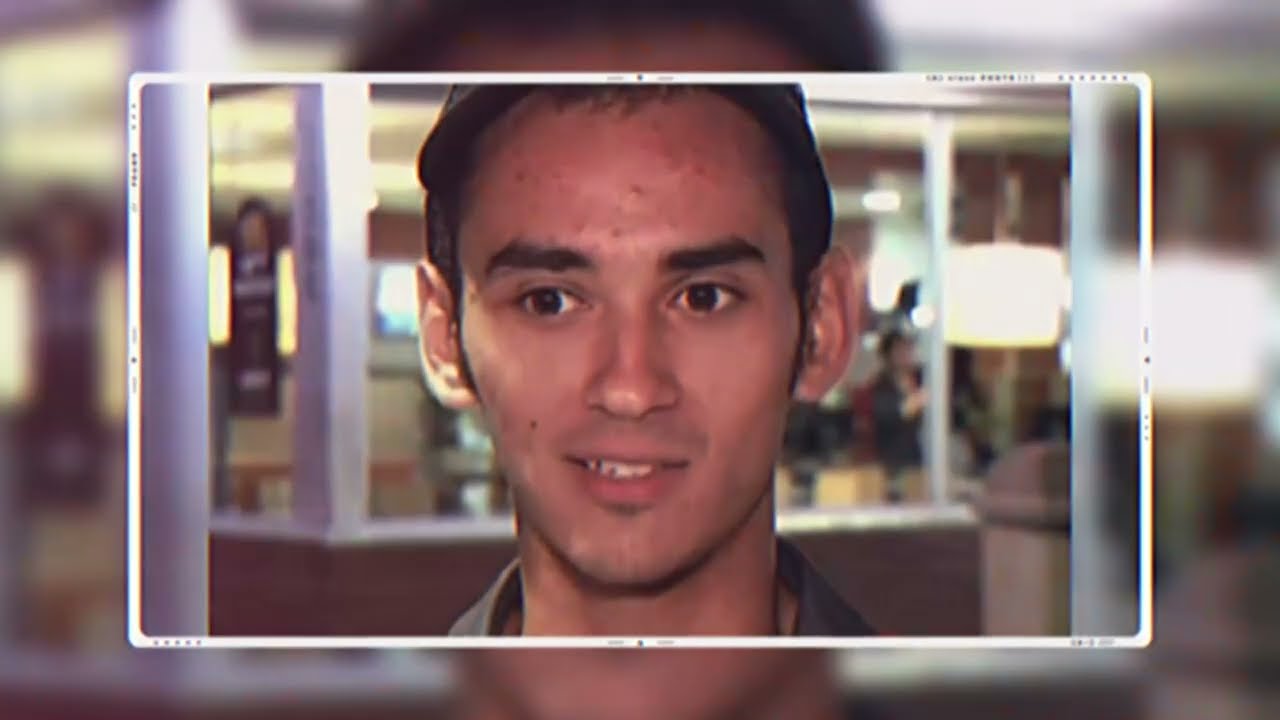
McDonald’s Employee Jumps Through Window for Shocking Reason
A Normal Shift With Familiar Sounds
The McDonald’s restaurant was buzzing with its usual rhythm. Orders were called out in quick succession, the fryer beeped in the background, and customers filled the counter area waiting for their meals. Employees moved efficiently between stations, used to the fast pace and pressure that came with peak hours.
For the employee working that shift, it was just another day. They had handled busy rushes before, dealt with difficult customers, and navigated the controlled chaos that defines fast-food service. Nothing about the moment suggested it would soon turn into something unforgettable.
Yet sometimes, the most unexpected events happen during the most ordinary moments.
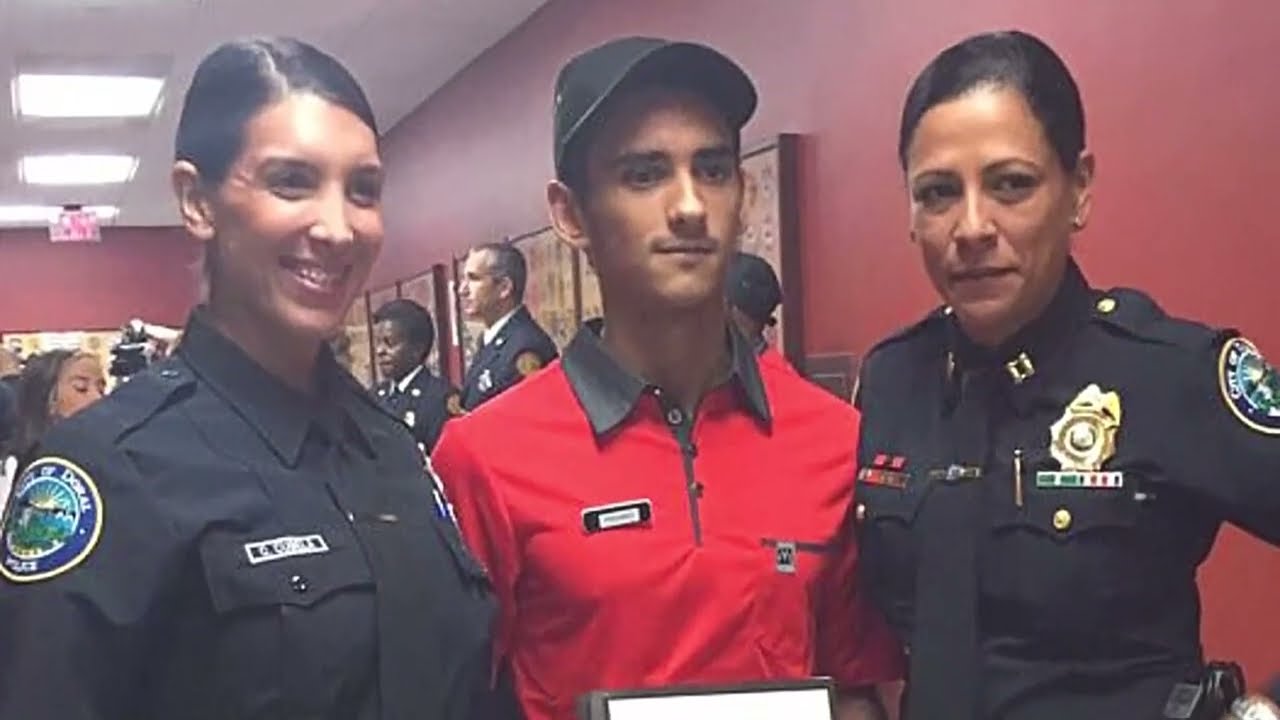
When Seconds Suddenly Matter
According to the story shared online, a sudden situation unfolded that demanded immediate action. Confusion rippled through the restaurant as attention shifted toward a developing problem. Customers looked around, unsure of what was happening, while employees tried to assess the situation quickly.
In environments like fast-food restaurants, emergencies don’t announce themselves. They escalate rapidly, leaving little time for deliberation. In those moments, hesitation can make things worse.
Instead of freezing, one McDonald’s employee reacted.
A Decision That Shocked Everyone
Without drawing attention to themselves, the employee made a split-second choice. Rather than taking the longer route through the restaurant, they exited through a service window to reach the situation faster.
To onlookers, it looked dramatic. People gasped. Some instinctively reached for their phones. Whispers spread instantly across the dining area.
From the outside, it appeared shocking — even reckless.
But appearances can be misleading.
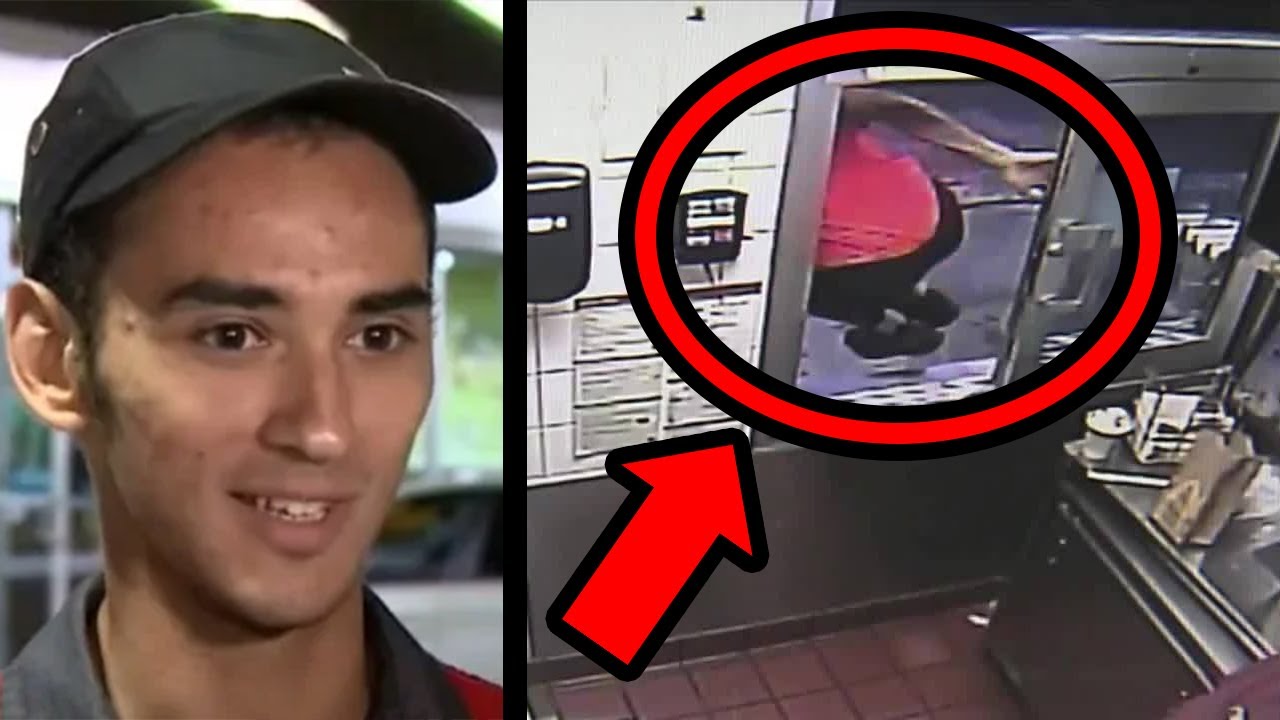
Why the Action Looked So Extreme
In a calm setting, exiting through a window would seem unnecessary. In an emergency, however, speed becomes critical. The employee’s choice was driven by urgency, not impulse.
Frontline workers are often trained to prioritize customer safety and rapid response. When seconds count, unconventional actions can feel like the only option.
Workplace safety experts note that in high-pressure environments, instinct often takes over when protocols don’t immediately fit the situation.
🔗 https://www.npr.org/sections/business/fast-food-workers-safety
What mattered in that moment wasn’t how it looked — it was what needed to be done.
The Real Reason Behind the Decision
As more details emerged, the reason behind the employee’s action became clearer. According to accounts shared later, the employee was trying to reach someone quickly, assist with an unfolding issue, or prevent a situation from escalating further.
This wasn’t about creating a scene. It wasn’t about attention.
It was about responsibility.
In customer-facing roles, workers are often the first to notice when something is wrong. They are also the first expected to act.
Reactions Inside the Restaurant
Initially, customers were stunned. Some feared something dangerous had occurred. Others were simply confused, unsure whether they had witnessed a mistake or an emergency response.
As the situation stabilized, the atmosphere shifted. Confusion gave way to understanding. Shock softened into relief.
People realized that what they had seen was not recklessness, but urgency.
The Pressure of Fast-Food Work
Fast-food employees operate under constant pressure. Long lines, strict time targets, safety protocols, and customer expectations collide in a fast-moving environment.
Despite common stereotypes, these jobs require quick thinking, teamwork, and emotional control — especially when unexpected situations arise.
Studies show that frontline service workers frequently face high stress levels due to unpredictable demands.
🔗 https://www.bbc.com/worklife/article/frontline-workers-pressure
That pressure was on full display in this moment.
A Story That Spread Quickly Online
Shortly after the incident, the story began circulating online. Headlines focused on the dramatic visual — “employee jumps through window” — without immediate context.
As is often the case, initial reactions were intense. Viewers debated what they thought had happened, forming opinions based on limited information.
Once the reason became clearer, the narrative changed.
From Shock to Understanding
With added context, many people reevaluated their initial reactions. What had seemed reckless now appeared thoughtful. What looked extreme now seemed necessary.
This shift highlights how quickly narratives can form — and how quickly they can change when more information emerges.
Human-interest stories thrive on this contrast between assumption and reality.
The Employee’s Perspective
According to comments shared later, the employee never intended to shock anyone. The action wasn’t planned, dramatic, or calculated.
It was instinctive.
In that moment, the employee focused on doing what felt right, not on how it would be perceived.
For them, it wasn’t a viral incident. It was simply responding to a situation as best they could.
Why These Moments Go Viral
Stories like this spread rapidly because they include:
-
A surprising visual
-
A moment of uncertainty
-
An unexpected explanation
-
A human decision under pressure
People are naturally drawn to moments where context changes meaning. That transformation fuels curiosity and engagement.
Not About Encouraging Risky Behavior
It’s important to clarify that this story is not about encouraging unsafe actions or bypassing workplace rules. Safety procedures exist to protect both employees and customers.
This account is shared as a human-interest narrative, highlighting how unexpected situations can force people to act quickly — sometimes in unconventional ways.
Context matters.

A Reminder About Assumptions
This incident serves as a reminder of how quickly assumptions form. A single image or headline can shape perception long before facts are known.
In reality, most people act with good intentions — even when their actions appear shocking at first glance.
The Online Conversation Evolves
As the full story circulated, online discussions shifted. Many praised the employee’s quick thinking. Others reflected on how demanding frontline jobs can be.
Some admitted they would have reacted the same way under pressure.
The story became less about shock — and more about empathy.
Why the Story Resonates
At its core, this story resonates because it reflects everyday humanity. Ordinary people, placed in extraordinary moments, making fast decisions without the luxury of time.
It shows how responsibility can look dramatic — and how care can be misunderstood.
Not an Official Incident Report
This article is presented as a human-interest story based on online retellings. Details may vary, and the focus remains on the broader lesson rather than official documentation.
That framing keeps the story informative without exaggeration.
A Moment That Will Be Remembered
For customers who witnessed it, the moment will likely stick in their memories. Not because of shock — but because of what they learned afterward.
Sometimes, understanding arrives only after surprise fades.
Final Reflection
A McDonald’s employee exited through a window, and for a moment, the world stopped to stare.
Then the reason became clear.
In fast-moving situations, good intentions don’t always look calm — but they matter just the same.🔗https://dailyycurious.com/