Passenger Dismisses Fallen Soldier, Unaware Who’s Behind Him
A Quiet Moment Disrupted
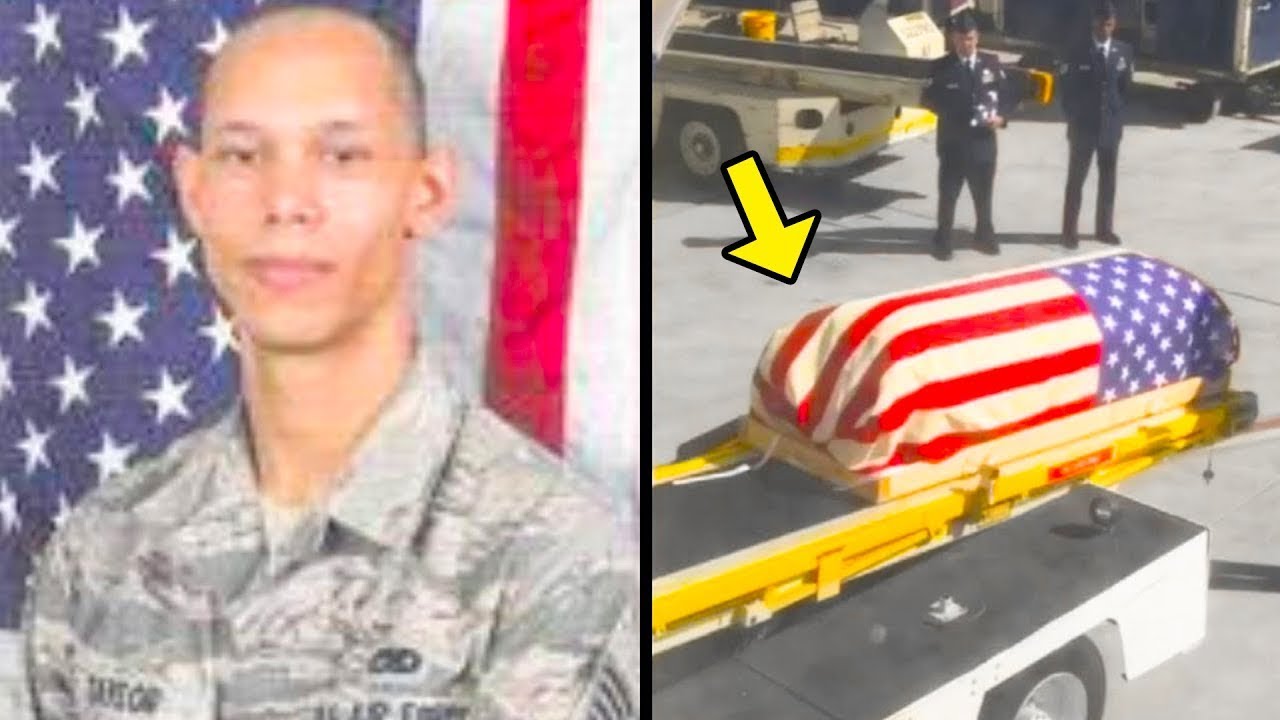
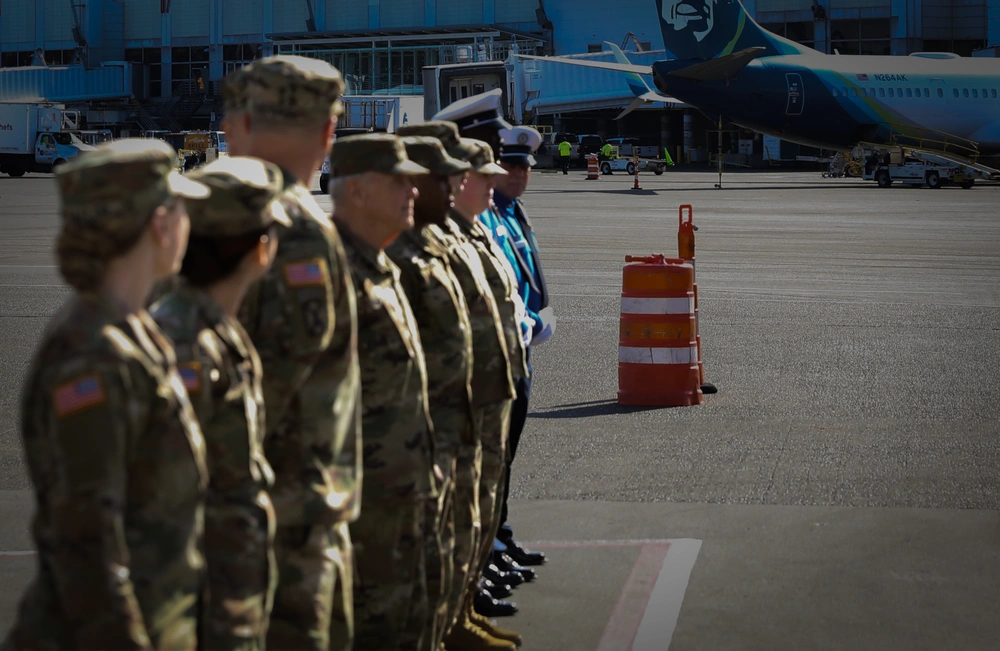
The airport terminal was unusually quiet for that time of day. Travelers moved slowly, some scrolling through phones, others staring blankly at departure boards. In one corner, a small group had gathered in respectful silence around a flag-draped casket — a fallen soldier being escorted home.
For many, it was a moment of reflection. For one passenger, however, it was an inconvenience.
The Comment That Cut Through the Silence
Standing nearby, the passenger glanced at the scene and sighed impatiently. Without lowering his voice, he muttered words that would soon echo far beyond that terminal.
“I couldn’t care less,” he said.
The sentence was short, dismissive, and sharp. It landed heavily in the quiet space, drawing subtle reactions from those nearby. Some froze. Others exchanged uneasy glances.
What the passenger did not realize was who stood directly behind him.
Unaware of the Presence Behind Him
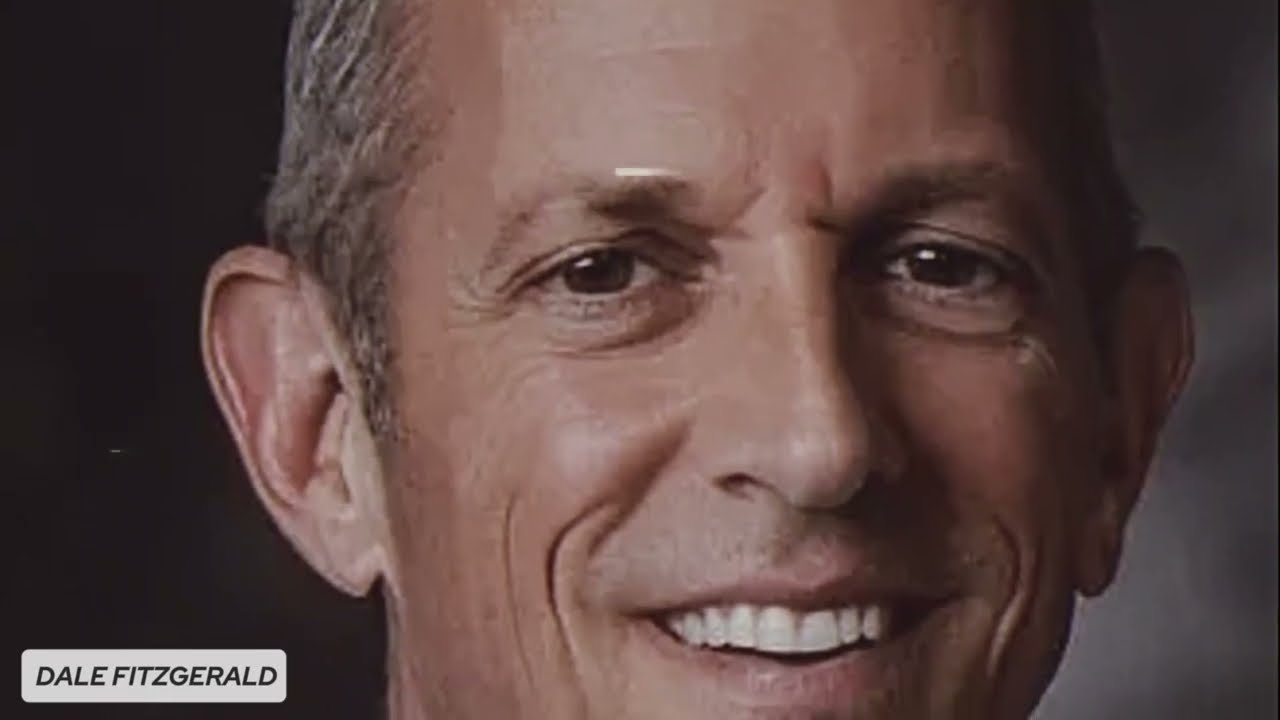
Just a few steps back stood a man in uniform — rigid posture, eyes fixed on the casket. He had not spoken. He had not moved. Yet his presence carried weight.
He was not just another observer.
He was connected to the fallen soldier in a way the passenger could not imagine.
The Meaning of a Fallen Soldier
For many families, the return of a fallen soldier is one of the most painful moments imaginable. It represents loss, sacrifice, and a life that ended too soon.
Public ceremonies honoring fallen service members are meant to acknowledge that sacrifice, even briefly, in shared spaces like airports.
For those who have lived it, such moments are sacred.
A Reaction Born From Emotion
The man behind the passenger did not respond immediately. He took a breath. His expression remained controlled, but his eyes reflected deep emotion — grief layered with restraint.
He stepped forward.
Not aggressively. Not loudly.
Just enough to be heard.
The Truth Revealed
According to the story shared online, the man calmly explained who he was and why the moment mattered. He spoke not with anger, but with quiet clarity.
The fallen soldier was not an abstract concept.
It was personal.
The words hit harder than any confrontation could have.
A Shift in the Atmosphere
The terminal changed instantly. Conversations stopped. Attention turned toward the exchange unfolding in real time.
The passenger’s posture shifted. His confidence faded. What had been casual indifference moments earlier was replaced with discomfort and realization.
Public reactions to military loss often change dramatically when the human connection becomes visible.This was one of those moments.
Silence After the Words
No shouting followed. No scene erupted.
Instead, silence returned — heavier than before.
The passenger reportedly lowered his gaze. The meaning of his comment had finally caught up with him.
Sometimes, understanding arrives too late to undo words already spoken.
Why Words Matter in Shared Spaces
Public spaces bring together people from different backgrounds, beliefs, and experiences. What feels insignificant to one person can carry profound weight for another.
Experts note that empathy often emerges only when personal stories are revealed — when abstract ideas become human faces.
🔗 External context: https://www.psychologytoday.com/us/basics/empathy
This moment illustrated that truth clearly.
Not About Politics or Opinions
Importantly, the story is not about politics, beliefs, or opinions on military service. It is about respect — and the impact of dismissive language in moments of shared humanity.
The passenger’s words were not offensive because of ideology, but because of timing and context.
A Lesson Witnessed by Strangers
Those nearby would later describe the moment as uncomfortable, emotional, and unforgettable. It wasn’t dramatic. It wasn’t loud.
It was real.
Moments like this stay with witnesses because they reveal how quickly empathy can be lost — and how powerfully it can return.

Online Reaction to the Story
When the story was shared online, reactions poured in. Many expressed anger at the passenger’s comment. Others focused on the composure of the man behind him.
Human-interest stories like this spread because they reflect real social tensions and emotional truths.
🔗 https://www.cnn.com/specials/world/human-interest-stories
Readers saw themselves in both roles — speaker and listener.
The Power of Quiet Dignity
What stood out most was not confrontation, but restraint. The man behind the passenger chose dignity over anger.
In doing so, he transformed the moment into a lesson rather than a conflict.
That choice resonated deeply.
Understanding Comes With Perspective
Many people react to delays or ceremonies in public spaces without understanding their significance. This story highlights how perspective can completely alter perception.
Once the human connection was revealed, indifference became impossible.
Not a Verified Report, But a Shared Narrative
It is important to note that this story is shared as a human-interest narrative, not a verified official report. Details may vary across retellings, and the focus remains on the emotional lesson rather than factual investigation.
That framing keeps the story honest and appropriate for reflection.
Why the Story Resonates
At its core, the story is about empathy — how easily it can be forgotten, and how quickly it can be restored.
It reminds readers that behind symbols, uniforms, and ceremonies are real people carrying real loss.
A Moment That Changed More Than One Person
The passenger learned a lesson about words and awareness. The witnesses learned something about restraint and dignity.
And the fallen soldier was honored — not just through ceremony, but through the impact his presence still carried.🔗:https://dailyycurious.com/